How I Finally Learned to Protect My Joints—And Why It Changed Everything
Joint pain creeps in quietly—until it doesn’t. For years, I ignored stiffness after workouts, brushed off morning creaks, and kept pushing through discomfort. But over time, small aches became constant reminders of neglect. Joints aren’t just hinges; they’re lifelong partners in movement. What I realized too late? Prevention isn’t about fixing damage—it’s about daily choices. This is what long-term joint care really looks like, from someone who learned the hard way.
The Wake-Up Call: When Joint Pain Became Impossible to Ignore
It started with a simple walk. What used to be a refreshing morning ritual—ten minutes down the neighborhood path—became a slow, deliberate effort. Each step sent a dull ache through my right knee, sharp enough to make me pause and shift my weight. Stairs, once taken for granted, now required gripping the railing and lifting one foot at a time. The pain wasn’t sudden or dramatic; it had built up over years of ignoring early warnings. I had mistaken joint fatigue for normal aging, post-exercise soreness for a sign of progress. But the truth was, my body had been sending signals for a long time, and I hadn’t listened.
This turning point wasn’t marked by a doctor’s diagnosis or a dramatic injury. It was the accumulation of small limitations—difficulty kneeling to tie a child’s shoe, wincing when standing from a chair, avoiding long walks with friends. These moments chipped away at independence and joy. I began to realize that joint pain wasn’t just a physical burden; it was emotional. It affected confidence, social life, and the simple pleasure of moving without thought. What made it worse was knowing I could have acted earlier. Joint degeneration doesn’t happen overnight. It’s the result of repeated strain, poor habits, and a lack of preventive care.
Many people assume joint issues only affect the elderly or elite athletes. But in reality, anyone who moves is at risk—especially those who lead active lives without proper joint protection strategies. The danger lies in normalizing discomfort. A stiff shoulder after gardening, a creaky hip after hiking, or sore knees after a fitness class—these aren’t just signs of effort. They can be early indicators of imbalance, inflammation, or wear. When we dismiss them as inevitable, we miss the window for meaningful change. My wake-up call came not from a crisis, but from the gradual loss of freedom. And that’s what made it so powerful: I didn’t want to wait for a breakdown to start rebuilding.
What We Get Wrong About Joint Health (Spoiler: It’s Not Just Aging)
One of the most persistent myths about joint pain is that it’s simply a side effect of getting older. While aging does bring natural changes—like reduced cartilage thickness and slower tissue repair—it doesn’t mean joint deterioration is unavoidable. Many people believe that by their 50s or 60s, aching knees or stiff shoulders are just part of life. But science shows that lifestyle choices play a far greater role in joint health than chronological age alone. Inflammation, repetitive strain, poor posture, and lack of muscle support are often the real culprits behind joint degeneration.
Think of your joints like well-maintained machinery. With proper care—regular movement, good alignment, and balanced loading—they can last a lifetime. But if you consistently overload them, use them incorrectly, or neglect maintenance, they wear down prematurely. A car doesn’t stop running just because it’s ten years old; it fails when maintenance is ignored. The same principle applies to the human body. The difference between graceful aging and painful decline often comes down to how we treat our joints every day, not just how many birthdays we’ve had.
Another common misconception is that rest is always the answer to joint pain. While short-term rest can help during acute flare-ups, long-term inactivity actually weakens the structures that support joints. Muscles shrink, tendons stiffen, and joint lubrication decreases. Without movement, joints lose their resilience. The goal isn’t to avoid use, but to use them wisely. This means choosing activities that support joint function, maintaining strength around key areas like knees and hips, and correcting movement patterns that create unnecessary stress. Joint health isn’t passive—it’s an active commitment to intelligent motion.
The Science of Joints: How They Actually Work—and Break Down
To protect your joints, it helps to understand what they are and how they function. At their core, joints are connection points where bones meet, allowing for movement. But they’re more than simple hinges—they’re complex systems involving cartilage, synovial fluid, ligaments, tendons, and surrounding muscles. Cartilage acts as a cushion, absorbing shock and preventing bones from rubbing together. Synovial fluid lubricates the joint, reducing friction during movement. Ligaments connect bones to bones, providing stability, while tendons attach muscles to bones, enabling motion.
One of the reasons joint injuries can be so persistent is that cartilage has no direct blood supply. Unlike skin or muscle, it can’t repair itself quickly. Once damaged, cartilage degrades slowly and rarely regenerates fully. This is why early protection is so critical. Inflammation—often triggered by overuse, injury, or poor diet—can disrupt the production of synovial fluid, leading to stiffness and increased wear. Over time, this creates a cycle: less lubrication leads to more friction, which causes more damage, which triggers more inflammation.
Alignment also plays a crucial role. When joints are misaligned—due to posture, muscle imbalances, or previous injuries—they bear uneven pressure. For example, if the muscles around the knee are weak or tight, the joint may track incorrectly, placing extra stress on one side of the cartilage. This uneven loading accelerates wear and increases the risk of chronic pain. The good news is that many of these factors are modifiable. Strengthening supporting muscles, improving flexibility, and practicing proper movement mechanics can restore balance and reduce strain.
Understanding this science isn’t about memorizing anatomy terms—it’s about recognizing that joints thrive on balance and motion. They need regular, controlled movement to stay nourished and flexible. But they also need protection from excessive force and repetitive stress. When we treat joints as dynamic, living structures rather than static parts, we begin to see that their health depends on daily habits, not just genetics or age.
Movement Matters: Why the Right Kind of Activity Protects Joints
Exercise is often seen as a double-edged sword when it comes to joint health. On one hand, it strengthens muscles and improves circulation. On the other, certain types of activity can accelerate wear and tear. The key isn’t to stop moving—but to move wisely. Low-impact exercises like swimming, cycling, walking, and elliptical training provide the benefits of motion without excessive joint loading. These activities increase blood flow to joint tissues, deliver nutrients, and help maintain a healthy range of motion—all while minimizing impact.
Strength training is another powerful tool. Strong muscles act as shock absorbers, reducing the force that joints must bear. For example, well-developed quadriceps and hamstrings help stabilize the knee, decreasing stress on the cartilage. Similarly, core strength supports proper spinal alignment, which reduces strain on the hips and lower back. The goal isn’t to build bulk, but to create balanced support around vulnerable joints. Even moderate resistance training two to three times a week can make a significant difference over time.
On the flip side, high-impact or repetitive activities—like long-distance running on hard surfaces, heavy weightlifting with poor form, or sports with sudden pivoting—can increase joint stress. This doesn’t mean these activities must be avoided entirely, but they should be approached with awareness. Modifying intensity, using proper footwear, and incorporating rest days can help mitigate risk. Cross-training—rotating between different types of exercise—also prevents overuse of specific joints and promotes overall balance.
Movement quality matters as much as quantity. Poor form, whether in daily activities or workouts, can create long-term strain. Simple habits—like squatting instead of bending at the waist to pick something up, or keeping the spine neutral during lifting—can protect joints over decades. Body awareness, often called proprioception, improves with practice. Mindful movement, such as yoga or tai chi, enhances coordination, flexibility, and joint stability. These practices don’t just prevent injury—they build a deeper connection between mind and body, making it easier to notice and correct harmful patterns before they cause damage.
Daily Habits That Make a Real Difference (No Extreme Changes Needed)
Joint protection doesn’t require drastic lifestyle changes. Some of the most effective strategies are small, consistent habits that fit easily into daily life. One of the simplest is posture awareness. Slouching at a desk, craning the neck to look at a phone, or standing with uneven weight distribution all create imbalances that strain joints over time. Making small adjustments—like aligning ears over shoulders, keeping feet flat on the floor, and using supportive chairs—can reduce stress on the spine, hips, and knees.
Footwear is another often-overlooked factor. Worn-out shoes or unsupportive flats alter gait and increase joint load, especially in the knees and lower back. Properly fitted shoes with adequate cushioning and arch support help maintain alignment and absorb shock. For those who spend long hours on their feet, insoles or orthotics may provide additional benefit. Even something as simple as changing shoes throughout the day—switching from heels to flats—can reduce cumulative strain.
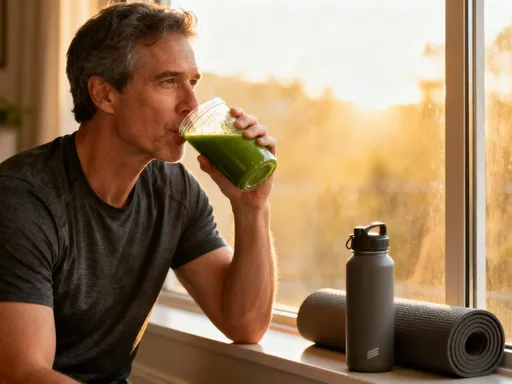
Hydration plays a surprisingly important role in joint health. Synovial fluid, which lubricates joints, is largely composed of water. When the body is dehydrated, this fluid becomes less effective, leading to increased friction and stiffness. Drinking enough water throughout the day helps maintain optimal joint function. While individual needs vary, consistent hydration supports not only joints but overall tissue health.
Weight management is one of the most impactful factors. Every extra pound adds pressure to weight-bearing joints—especially the knees. Research shows that losing even a small amount of weight can significantly reduce joint stress and improve symptoms. For example, losing 10 pounds can reduce knee load by up to 40 pounds with each step. This doesn’t mean drastic diets or extreme measures. Sustainable weight management through balanced eating and regular activity offers long-term joint protection and overall health benefits.
Nutrition and Inflammation: Eating for Joint Longevity
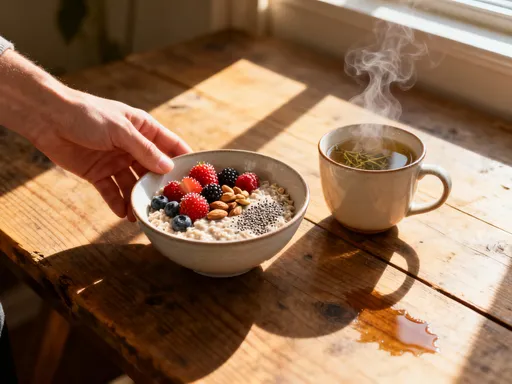
Diet doesn’t directly cure joint pain, but it plays a powerful role in managing inflammation—a key driver of joint degeneration. Chronic, low-grade inflammation can damage tissues over time, impair healing, and worsen stiffness and discomfort. The foods we eat either fuel or fight this process. A diet rich in whole, unprocessed foods—especially fruits, vegetables, whole grains, nuts, seeds, and fatty fish—provides antioxidants and nutrients that support joint health.
Omega-3 fatty acids, found in fish like salmon and mackerel, as well as in flaxseeds and walnuts, have been shown to help regulate the body’s inflammatory response. Antioxidants, such as those in berries, spinach, and colorful vegetables, neutralize free radicals that can damage cells, including cartilage. These nutrients don’t work overnight, but their effects build up over time, contributing to a healthier internal environment for joints.
On the other hand, processed foods, refined sugars, and excessive saturated fats can promote inflammation. Diets high in these elements—common in fast food, packaged snacks, and sugary drinks—have been linked to increased joint pain and stiffness. While an occasional treat isn’t harmful, a consistent pattern of inflammatory eating can undermine joint health. The goal isn’t perfection, but balance. Replacing some processed items with whole food alternatives can shift the body toward a more anti-inflammatory state.
While supplements are widely marketed for joint support, they are not a substitute for a healthy diet. Some people may benefit from certain nutrients under medical guidance, but food should remain the primary source of nourishment. Eating for joint longevity is about consistency, not quick fixes. It’s a long-term investment in the body’s ability to repair, protect, and function.
Building Health Consciousness: Making Joint Care a Lifestyle, Not a Crisis Response
The most important shift in my journey wasn’t a single change, but a change in mindset. I moved from reacting to pain to proactively supporting my body. This shift—what can be called health consciousness—is about paying attention to subtle signals, making informed choices, and valuing long-term well-being over short-term convenience. It means stretching after sitting for an hour, choosing the stairs over the elevator, or pausing to adjust posture instead of pushing through discomfort.
Health consciousness isn’t about obsession or fear. It’s about respect—for the body’s complexity, its resilience, and its limits. It’s recognizing that every choice, from how we move to what we eat, contributes to the story of our physical health. When joint care becomes part of daily life, it stops being a chore and starts being a form of self-care. It’s not about avoiding aging, but about aging well—maintaining mobility, independence, and quality of life.
This mindset also fosters patience. Joint health improves gradually, not overnight. There’s no miracle cure, but there is consistent progress. Small habits compound. A daily walk strengthens legs. Better posture reduces spinal strain. Hydration supports tissue function. Over time, these choices add up to a body that moves more freely and with less pain. The reward isn’t just the absence of discomfort—it’s the presence of ease, strength, and confidence in movement.
A Lifelong Commitment to Moving Well
Looking back, I wish I had understood earlier that joint health isn’t something you fix when it breaks. It’s something you protect every day. My journey from ignoring early warnings to embracing preventive care taught me that the body responds to attention. It thrives on movement, nourishment, and balance. The choices that support joints aren’t sacrifices—they’re investments in a future where walking, playing with grandchildren, gardening, or dancing remain possible and joyful.
Joint protection isn’t about perfection. It’s about awareness, consistency, and respect for the body’s design. It’s understanding that small actions, repeated over time, create lasting change. Whether it’s choosing a supportive shoe, staying hydrated, eating more whole foods, or moving with intention, each decision contributes to a foundation of mobility. Pain may be a common experience, but it doesn’t have to be inevitable. By making informed, mindful choices, we honor the body’s incredible capacity to last—and ensure that movement remains a source of freedom, not limitation.