How I Turned Back the Clock Without a Miracle—Just Real Daily Choices
Aging doesn’t have to mean slowing down. A few years ago, I noticed my energy dipping, my skin losing glow, and recovery taking longer. That’s when I shifted from chasing quick fixes to building a real anti-aging lifestyle. It wasn’t one dramatic change, but a series of smart, science-backed habits. This isn’t about looking younger—it’s about feeling stronger, sharper, and more alive. Here’s what actually worked when I took control of my health.
The Wake-Up Call: Recognizing Early Signs of Aging
It started subtly—waking up tired despite a full night’s sleep, needing more time to recover after a minor cold, or forgetting why I walked into a room. These moments didn’t alarm me at first. Like many women in their late 30s and beyond, I told myself it was normal, just part of getting older. But the more I noticed these shifts, the more I questioned whether aging had to mean decline. I began researching, and what I discovered was both surprising and empowering: biological aging begins earlier than most people realize, often in the mid-30s, and it’s influenced significantly by daily choices.
Scientists now understand that aging isn’t just a passive process of wear and tear. It’s an active biological cascade involving cellular damage, inflammation, and the gradual shortening of telomeres—protective caps at the ends of our chromosomes. Shorter telomeres are linked to age-related diseases and reduced vitality. However, studies, including those from the University of California, have shown that lifestyle factors such as diet, sleep, and stress management can slow or even partially reverse this process. This insight changed my perspective. What I had dismissed as inevitable was, in fact, modifiable.
The early signs of aging—fatigue, brain fog, slower healing, joint stiffness, and changes in skin elasticity—are not trivial. They are signals from the body that systems are under strain. Ignoring them can lead to a cascade of health challenges down the line. But when recognized early, they offer a window of opportunity. By responding with intentional habits, it’s possible to support the body’s natural repair mechanisms. This isn’t about denying age; it’s about respecting the body enough to give it what it needs to thrive at every stage.
I realized that waiting until a diagnosis to act was too late. Prevention, I learned, starts long before symptoms become severe. The women who maintain energy, clarity, and strength into their 50s, 60s, and beyond aren’t lucky—they’re consistent. They’ve made daily choices that align with their long-term well-being. My wake-up call wasn’t a crisis; it was a quiet invitation to take charge. And once I accepted that invitation, everything began to shift.
Mindset Shift: From Anti-Aging to Pro-Longevity
For years, I associated anti-aging with vanity—creams promising to erase wrinkles, treatments aimed at looking younger. But the deeper I looked, the more I saw that true health wasn’t about appearance at all. It was about function. I began to shift my mindset from fighting age to supporting longevity. This subtle but powerful change reframed everything. Instead of resisting the passage of time, I started preparing for it—with intention, with care, and with respect for the body’s natural rhythms.
Pro-longevity isn’t about living forever; it’s about living well. It means investing in habits today that ensure you can climb stairs easily, play with grandchildren, travel, cook, and think clearly decades from now. Research from the Harvard T.H. Chan School of Public Health shows that people who view aging positively not only live longer but also experience fewer chronic illnesses and maintain higher levels of independence. Their outlook becomes a self-fulfilling prophecy of health. I wanted that—not a frozen face, but a vibrant life.
This new mindset changed how I approached daily decisions. Instead of asking, “Will this help me look younger?” I began asking, “Will this help me feel stronger?” That question guided my choices around food, movement, sleep, and stress. I stopped seeing healthy habits as sacrifices and started seeing them as investments. Each walk, each nutritious meal, each moment of rest became a deposit in my future well-being.
I also let go of perfection. Aging gracefully isn’t about flawless skin or a wrinkle-free forehead. It’s about resilience—how quickly you bounce back, how well you adapt, how much joy you can still access. I stopped comparing myself to younger versions of myself or to others. Instead, I focused on progress: Could I carry groceries without getting winded? Did I wake up feeling rested? Was I present with my family? These became my new metrics of success. And as my mindset shifted, so did my energy, my mood, and my sense of control.
Nutrition: Eating for Cellular Repair, Not Just Satiety
I used to eat for convenience or comfort. Meals were rushed, snacks were processed, and sugar was a daily habit. But when I learned that food is information for our cells, everything changed. I began to see meals not just as fuel, but as signals—telling my body whether to store fat, fight inflammation, or repair damaged tissue. I overhauled my diet with one goal: to support cellular health.
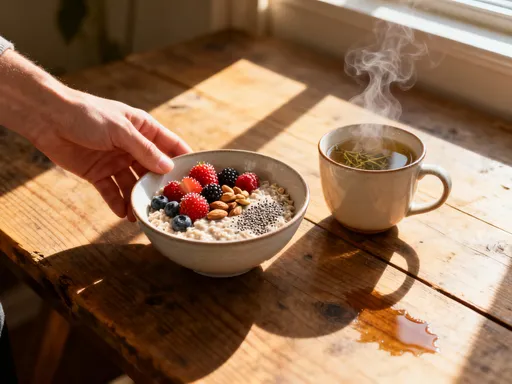
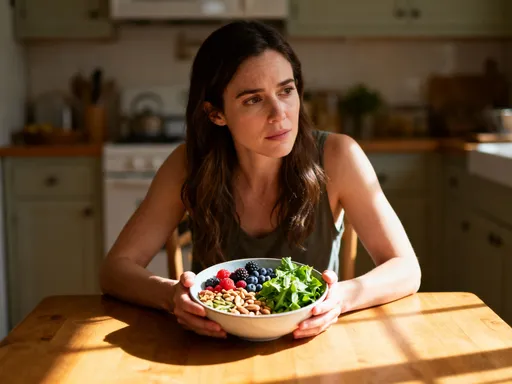
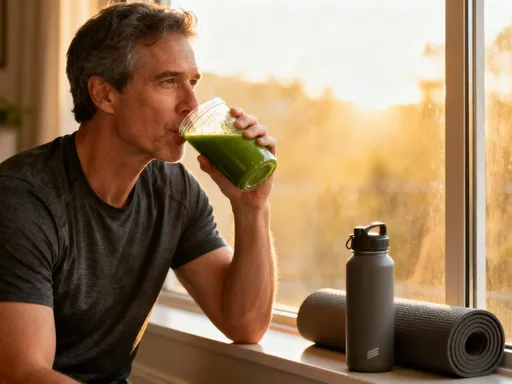
I prioritized whole, nutrient-dense foods. Leafy greens like spinach and kale became staples, packed with antioxidants that neutralize free radicals—molecules that damage cells and accelerate aging. Fatty fish such as salmon provided omega-3 fatty acids, which reduce inflammation and support brain health. Berries, especially blueberries and strawberries, delivered polyphenols that protect against oxidative stress. Nuts, seeds, and legumes offered plant-based protein and fiber, stabilizing blood sugar and feeding beneficial gut bacteria.
I reduced processed sugars and refined carbohydrates, which spike insulin and promote inflammation. Instead of white bread and pastries, I chose whole grains like oats and quinoa. I limited alcohol, knowing it stresses the liver and dehydrates the skin. I also adopted a gentle form of intermittent eating—finishing dinner by 7 p.m. and waiting until 8 a.m. to eat breakfast. This 13-hour fasting window gave my digestive system a break and allowed my body to enter autophagy, a natural cleanup process where cells remove damaged components and recycle them.
This wasn’t about restriction. It was about empowerment. I didn’t feel deprived; I felt nourished. My energy stabilized, my skin regained its glow, and I no longer experienced the mid-afternoon crashes. I learned that food isn’t just about calories—it’s about communication. Every bite sends messages to your genes, your hormones, your immune system. By choosing foods that support repair and resilience, I was giving my body the tools it needed to stay strong from the inside out.
Movement: Building Strength, Not Just Burning Calories
For most of my life, exercise meant cardio—running, cycling, or aerobics—aimed at burning calories and staying slim. But as I learned more about aging, I realized that muscle mass is one of the most important predictors of long-term health. After age 30, adults lose 3–5% of muscle mass per decade, a condition known as sarcopenia. This loss leads to weakness, slower metabolism, and higher risk of falls and fractures.
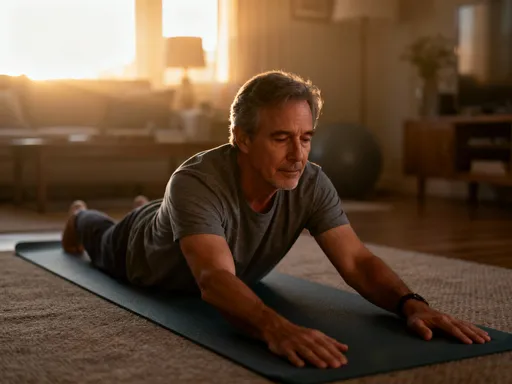
I shifted my focus from weight loss to strength. I began resistance training twice a week, using body weight, dumbbells, and resistance bands. I incorporated squats, lunges, push-ups, and rows—movements that engage multiple muscle groups and build functional strength. Within weeks, I noticed changes: I could carry heavy bags more easily, get up from the floor without using my hands, and stand for longer periods without fatigue.
Daily movement became non-negotiable. I added short walks after meals, which helped regulate blood sugar and improved digestion. I practiced balance exercises—standing on one foot, heel-to-toe walking—critical for fall prevention. I also included mobility work: gentle stretching, yoga, and foam rolling to maintain joint health and prevent stiffness.
Research from the National Institute on Aging confirms that regular strength training not only preserves muscle but also supports bone density, heart health, and cognitive function. Movement also boosts mood by increasing endorphins and reducing stress hormones. I no longer saw exercise as a chore or punishment. It became a daily act of self-respect—a way to maintain independence and vitality for the long haul. I moved not to shrink my body, but to strengthen it, so I could live fully at every age.
Sleep & Recovery: The Underrated Anti-Aging Pillar
I used to wear sleep deprivation like a badge of honor—burning the candle at both ends, juggling work, family, and household duties. But when I tracked my energy and mood, I saw a clear pattern: on nights I slept poorly, everything felt harder. My mind was foggy, my patience thinner, and my cravings stronger. I realized that without quality sleep, no other habit could fully work.
I committed to 7–8 hours of sleep each night. I created a wind-down routine: turning off screens by 9 p.m., dimming the lights, and reading a book or practicing light stretching. I kept my bedroom cool, dark, and quiet, optimizing the environment for deep sleep. I also set a consistent bedtime and wake-up time, even on weekends, to regulate my circadian rhythm.
During deep sleep, the brain clears out metabolic waste through the glymphatic system, a process linked to reduced risk of neurodegenerative diseases. Cells repair DNA, muscles recover, and hormones rebalance. Chronic sleep deprivation, on the other hand, increases inflammation, weakens immunity, and accelerates cellular aging. I learned that recovery isn’t passive—it’s when the body does its most important work.
Improving my sleep had ripple effects. My concentration improved, my skin looked clearer, and I handled stress more calmly. I began to view rest not as laziness, but as a critical pillar of health—just as essential as nutrition or movement. I now protect my sleep like I protect my family’s safety. It’s not negotiable. It’s the foundation that allows every other healthy habit to thrive.
Stress Resilience: Managing What Speeds Up Aging
Stress was the silent accelerator in my aging process. I didn’t think of myself as stressed—I was just busy, responsible, always on. But chronic low-grade stress, the kind that comes from constant demands and little downtime, takes a real toll. Research shows it shortens telomeres, increases cortisol, and promotes inflammation—all markers of accelerated aging.
I began building micro-habits to restore balance. I practiced mindful breathing—five deep breaths before meals, during transitions, or when feeling overwhelmed. I scheduled digital detoxes, turning off notifications and stepping away from screens for at least an hour a day. I spent time in nature, even if it was just a 10-minute walk in the park. These small pauses allowed my nervous system to shift from “fight-or-flight” to “rest-and-digest.”
I also set boundaries—saying no to extra commitments, delegating tasks, and protecting time for rest. I prioritized moments of stillness: sipping tea quietly, watching the sunrise, or journaling. Over time, I became less reactive. I responded instead of reacting. My digestion improved, my sleep deepened, and my mood stabilized.
Stress resilience isn’t about eliminating stress—it’s about building capacity to handle it. Like a muscle, the nervous system strengthens with practice. I learned that peace isn’t passive; it’s protective. By managing stress, I wasn’t just feeling calmer—I was slowing a key driver of biological aging. Emotional balance became as important as physical health in my longevity journey.
Long-Term Health Management: Tracking, Adjusting, Staying Consistent
Sustaining change requires awareness. I began tracking simple metrics: energy levels, sleep quality, mood, and digestion. I used a journal to note patterns—what foods gave me energy, what activities improved my sleep, what situations triggered stress. This data helped me make informed adjustments without guessing.
Annual check-ups became part of my routine. I monitored key markers: blood pressure, cholesterol, blood sugar, vitamin D, and inflammation levels like C-reactive protein. These tests provided objective feedback, helping me catch imbalances early. I worked with my healthcare provider to interpret results and adjust my plan as needed.
I stayed flexible. Life changes—hormonal shifts, family needs, travel—and so do health needs. Some days, I didn’t meet my goals. I skipped a workout, ate dessert, or stayed up late. But I didn’t let imperfection derail me. Consistency, not perfection, is what matters. Over time, the small choices compounded: more stamina, better skin, sharper focus, fewer aches.
This isn’t a trend or a quick fix. It’s a lifelong commitment to feeling my best. I’ve maintained these habits for years, and the benefits are real. I move with ease, think with clarity, and face each day with energy. I’ve turned back the clock not through miracles, but through daily choices—choices that honor my body, my health, and my future. And if I can do it, so can you.