What I Learned About Eating Right While Pregnant – Simple Truths That Helped Me Feel Better
Pregnancy changes everything—especially how you eat. I used to think “eating for two” meant more snacks and less rules, but I quickly learned that balanced nutrition is what truly fuels both mother and baby. From morning sickness to energy crashes, the right foods made a real difference. This is not about strict diets or perfect choices, but simple, doable principles that support health naturally. What I discovered wasn’t complicated science, but practical wisdom grounded in how real women live. With each trimester, I adjusted—not striving for perfection, but aiming for consistency. The goal wasn’t to transform my diet overnight, but to make choices that helped me feel stronger, more energized, and more connected to the life growing inside me. Nutrition became less about numbers and more about nurturing.
The Biggest Myth About Pregnancy Eating (And Why It Hurts More Than Helps)
One of the most persistent myths surrounding pregnancy is the idea that you must “eat for two.” This phrase has been passed down through generations, often used to justify larger portions, extra desserts, or less attention to food quality. However, modern health guidelines clarify that during most of pregnancy, a woman does not need to double her caloric intake. In fact, the American College of Obstetricians and Gynecologists (ACOG) recommends only an additional 300 to 450 calories per day in the second and third trimesters—roughly equivalent to a banana with peanut butter or a small bowl of oatmeal with milk. The phrase “eating for two” can mislead expectant mothers into thinking they should consume significantly more food, which often leads to excessive weight gain, fatigue, and digestive discomfort.
Excess calories do not translate into better outcomes for mother or baby. Research shows that gaining too much weight during pregnancy increases the risk of gestational diabetes, high blood pressure, and cesarean delivery. It can also make postpartum recovery more challenging. Instead of focusing on quantity, the emphasis should be on quality. The developing fetus relies on the mother’s nutrient intake for organ formation, brain development, and overall growth. Nutrient-dense foods—rich in vitamins, minerals, protein, and fiber—are far more beneficial than empty calories from sugary snacks or processed foods. A balanced approach supports healthy weight gain without overwhelming the body.
I learned this lesson the hard way. During my first trimester, I allowed myself to believe that cravings were permission to indulge freely. I ate extra muffins, drank sweetened iced teas, and skipped vegetables because they didn’t appeal to me. Within weeks, I felt sluggish, bloated, and emotionally unsteady. My energy levels plummeted by mid-afternoon, and I struggled with heartburn and indigestion. When I shared this with my healthcare provider, she gently reminded me that my baby wasn’t asking for donuts—she was asking for iron, folate, calcium, and protein. That conversation shifted my mindset. Rather than viewing food as a reward or comfort, I began to see it as fuel for a profound biological process.
Why Your Body Craves What It Does – Understanding Food Signals
Food cravings during pregnancy are common and often intense. Many women report sudden desires for salty chips, sour pickles, chocolate, or dairy products. While these urges can seem random or emotional, they are often linked to real physiological changes. Hormonal fluctuations—particularly in estrogen and human chorionic gonadotropin (hCG)—affect the brain’s reward system and sense of taste and smell, making certain foods more appealing. Additionally, as the body works harder to support fetal development, it may signal needs for specific nutrients through cravings. Though not every craving has a direct nutritional cause, understanding the possible connections can help women respond more mindfully.
For example, a craving for salty foods like pretzels or chips may indicate a shift in blood volume and electrolyte balance. During pregnancy, blood volume increases by up to 50%, requiring more sodium to maintain fluid balance. However, instead of reaching for processed snacks high in unhealthy fats and refined salt, a better choice might be roasted chickpeas, a small serving of nuts, or a slice of whole grain bread with avocado. Similarly, sweet cravings may reflect fluctuating blood sugar levels or increased energy demands. Rather than satisfying them with candy or pastries, pairing fruit with a source of protein or healthy fat—such as apple slices with almond butter—can stabilize energy and reduce the urge for more sugar later.
Dairy cravings, especially for cheese or ice cream, may point to a need for calcium or fat. Calcium is essential for fetal bone development, and the body becomes more efficient at absorbing it during pregnancy. Still, not all dairy products are created equal. Opting for low-fat yogurt, cottage cheese, or fortified plant-based alternatives ensures nutrient intake without excess saturated fat. It’s also important to recognize that some cravings are emotional rather than physical. Stress, fatigue, or nostalgia can trigger desires for comfort foods. In these moments, pausing to assess the real need—rest, hydration, or emotional support—can lead to healthier choices that honor both body and mind.
The Plate Rule: A No-Stress Way to Eat Well Every Day
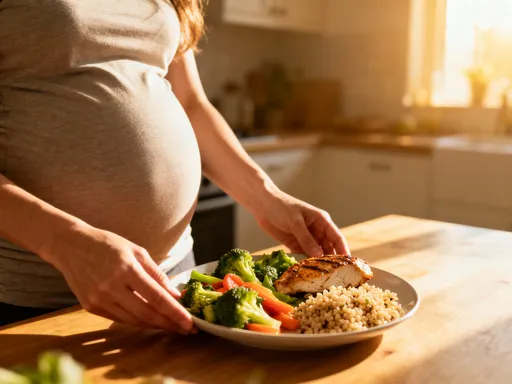
With so many changes happening in the body, meal planning can feel overwhelming. That’s why a simple, visual guide like the Plate Rule is so effective. This approach divides the plate into sections: half filled with vegetables and fruits, one-quarter with lean protein, and one-quarter with whole grains. This structure ensures a balance of essential nutrients without requiring calorie counting or complicated tracking. It’s flexible enough to adapt to personal preferences, cultural dishes, and appetite changes throughout pregnancy. The beauty of the Plate Rule lies in its simplicity—no special diets, no forbidden foods, just consistent nourishment.
When vegetables make up half the plate, the body receives a wide range of vitamins, minerals, and antioxidants. Dark leafy greens like spinach and kale are rich in folate, which helps prevent neural tube defects. Colorful vegetables such as bell peppers, carrots, and tomatoes provide vitamin C, fiber, and phytonutrients that support immune function and digestion. Including a variety of colors ensures a broader nutrient profile. Fruits like berries, oranges, and bananas offer natural sweetness along with potassium, vitamin B6, and fiber, which can ease nausea and prevent constipation—a common concern during pregnancy.
The protein quarter supports tissue repair, hormone production, and fetal growth. Good sources include eggs, beans, lentils, tofu, Greek yogurt, chicken, turkey, and fish low in mercury such as salmon or cod. Spreading protein intake across meals helps maintain steady energy levels and reduces the risk of muscle loss. The whole grain section provides sustained energy through complex carbohydrates. Options like brown rice, quinoa, oats, and whole wheat bread release glucose slowly into the bloodstream, preventing the spikes and crashes that contribute to fatigue and mood swings. This balanced plate supports not only physical health but also mental clarity and emotional stability.
Practical meal examples that follow the Plate Rule include a spinach and tomato omelet with a slice of whole grain toast and a banana; grilled salmon with roasted sweet potatoes and steamed broccoli; or a black bean and corn salad with avocado, lime, and a side of brown rice. These meals are satisfying, easy to prepare, and adaptable to different tastes and schedules. By using the plate as a guide, women can eat well without stress, knowing they are providing their bodies and babies with the foundation for healthy development.
Protein Power: How It Keeps You (and Baby) Going Strong
Protein is one of the most critical nutrients during pregnancy. It serves as the building block for new cells, including the baby’s developing organs, muscles, and tissues. The recommended daily intake increases from about 46 grams for non-pregnant women to at least 71 grams during pregnancy. However, many women fall short, especially if they experience nausea or aversions to meat. The key is not only reaching the target but distributing protein intake throughout the day. Eating protein at every meal and snack helps stabilize blood sugar, reduces hunger, and supports sustained energy—something many pregnant women struggle to maintain.
There are many accessible and affordable sources of protein that fit into a pregnancy diet. Eggs are a complete protein, meaning they contain all nine essential amino acids, and are easy to digest even during morning sickness. A hard-boiled egg or scrambled eggs with vegetables can be a gentle yet nourishing breakfast. Dairy products like Greek yogurt and cottage cheese are also excellent choices, offering both protein and calcium. For plant-based options, beans, lentils, chickpeas, and tofu provide substantial protein along with fiber and iron. Nuts and seeds, such as almonds, chia seeds, and peanut butter, add healthy fats and a protein boost to snacks or smoothies.
Lean meats like chicken and turkey are rich in iron and B vitamins, which support oxygen transport and energy metabolism. Fish such as salmon and sardines provide protein along with omega-3 fatty acids, particularly DHA, which is vital for fetal brain and eye development. It’s important to choose low-mercury fish and limit consumption to 2–3 servings per week. For women who struggle with animal products, combining plant proteins—such as rice and beans—creates a complete amino acid profile. Even small additions, like a spoonful of nut butter on toast or a handful of edamame with lunch, can make a meaningful difference in daily intake.
One of the most noticeable benefits I experienced from increasing my protein intake was improved energy. In my first trimester, I often felt drained by midday, no matter how much I slept. After adding a protein-rich snack—like yogurt with berries or a cheese stick with whole grain crackers—between meals, I noticed fewer crashes and better focus. My healthcare provider explained that protein helps regulate insulin response, preventing the rapid rise and fall of blood sugar that leads to fatigue. Over time, this small change made a big difference in how I felt day to day. Protein didn’t just support my baby’s growth—it helped me feel more capable and resilient as a mother.
Fiber & Fluids: The Unsung Heroes of Comfort and Health
Two of the most overlooked aspects of prenatal nutrition are fiber and fluids. Yet, they play a crucial role in preventing some of the most common discomforts of pregnancy. Constipation affects up to 40% of pregnant women due to hormonal changes that slow digestion and the physical pressure of the growing uterus on the intestines. Dehydration can worsen this issue and also contribute to fatigue, headaches, and reduced amniotic fluid levels. The good news is that both can be managed through simple, consistent habits that support long-term well-being.
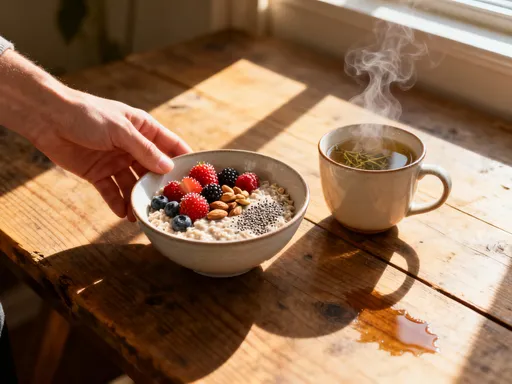
Fiber adds bulk to the stool and helps food move smoothly through the digestive tract. The recommended daily intake for pregnant women is 25 to 30 grams. Good sources include whole grains, legumes, fruits with skin (like apples and pears), vegetables, nuts, and seeds. Starting the day with oatmeal topped with berries, eating a salad with lentils for lunch, and snacking on raw vegetables or fruit can easily meet this goal. It’s important to increase fiber gradually and drink plenty of water, as too much fiber without fluid can actually worsen constipation. Prunes and prune juice are particularly effective due to their natural sorbitol content, which has a mild laxative effect.
Hydration is equally important. The Institute of Medicine recommends about 10 cups (2.3 liters) of fluids per day for pregnant women, including water, milk, and broth. Many women find it helpful to carry a reusable water bottle and set reminders to drink throughout the day. Adding a slice of lemon, cucumber, or orange can make water more appealing, especially if nausea makes plain water unpalatable. Herbal teas like ginger or peppermint may also soothe the stomach and contribute to fluid intake, though it’s best to consult a healthcare provider before consuming large amounts of any herbal product. Avoiding sugary drinks and limiting caffeine to less than 200 milligrams per day—about one 12-ounce cup of coffee—is also advised.
Small, consistent actions make the biggest difference. Drinking a glass of water with each meal, eating a piece of fruit as a snack, or choosing whole grain bread over white bread are simple choices that add up. Over time, these habits reduce discomfort and support overall health. I found that when I prioritized fluids and fiber, I felt lighter, more regular, and more in control of my body. These elements didn’t get the same attention as folic acid or iron, but they were just as essential to feeling my best during pregnancy.
Smart Swaps, Not Strict Rules: Making Better Choices Without Deprivation
Nutrition during pregnancy should not be about restriction or guilt. Strict rules often backfire, leading to feelings of failure or binge eating. A more sustainable approach is making smart swaps—small changes that improve nutritional quality without eliminating enjoyment. This mindset fosters flexibility, which is essential during a time when appetite, energy, and emotions fluctuate. The goal is not perfection, but progress. By focusing on addition rather than subtraction—adding more nourishing foods rather than cutting out beloved ones—women can build habits that last beyond pregnancy.
For example, choosing whole grain toast instead of white bread increases fiber and B vitamins without sacrificing taste. Swapping soda for sparkling water with a splash of fruit juice reduces sugar intake while still satisfying the desire for something fizzy. Replacing candy with a piece of fruit and a tablespoon of nut butter offers natural sweetness along with protein and healthy fats, making the snack more satisfying and longer-lasting. These swaps are not about labeling foods as “good” or “bad,” but about making informed choices that support energy, digestion, and fetal development.
Emotional well-being is also a critical part of healthy eating. Pregnancy can be emotionally taxing, and food is often tied to comfort and tradition. Denying oneself all favorite foods can lead to resentment and overindulgence later. A more balanced approach is allowing occasional treats in moderation while building a foundation of nutrient-rich meals. If chocolate is a craving, enjoy a small square after a balanced meal. If pizza is comforting, choose a thin crust with vegetables and pair it with a side salad. These small acts of self-kindness reduce guilt and support a positive relationship with food.
What matters most is consistency over time. No single meal defines a pregnancy diet. It’s the overall pattern that influences health outcomes. By embracing flexibility and making gradual improvements, women can eat in a way that feels sustainable, enjoyable, and supportive of both mother and baby. This approach builds confidence and reduces stress, allowing more space for the emotional and physical journey of pregnancy.
When to Ask for Help: Listening to Your Body and Your Doctor
Every pregnancy is different, and nutritional needs vary from person to person. What works for one woman may not work for another. Some women experience severe morning sickness, food aversions, or gestational diabetes, which require personalized guidance. This is why regular communication with a healthcare provider is essential. Prenatal checkups are not just about monitoring the baby’s growth—they are opportunities to discuss diet, symptoms, and concerns. A doctor or registered dietitian can offer tailored advice based on medical history, lab results, and individual goals.
There are signs that indicate when professional support may be needed. Persistent nausea and vomiting that prevent eating or drinking, extreme fatigue despite adequate rest, sudden weight loss, or inability to keep down prenatal vitamins are all reasons to seek help. Conditions like hyperemesis gravidarum require medical treatment to prevent dehydration and malnutrition. Similarly, women diagnosed with gestational diabetes need a structured eating plan to manage blood sugar levels and reduce risks for both mother and baby. In these cases, nutrition is not just about general wellness—it becomes part of medical care.
Supplements also play a role, but they should complement, not replace, a healthy diet. Prenatal vitamins provide key nutrients like folic acid, iron, and vitamin D, but they cannot replicate the complex benefits of whole foods. A healthcare provider can determine if additional supplements—such as omega-3s, probiotics, or extra iron—are necessary based on individual needs. It’s important to avoid self-prescribing high-dose supplements, as some nutrients can be harmful in excess.
Ultimately, nutrition is one piece of a healthy pregnancy. It works alongside adequate rest, stress management, gentle movement, and emotional support. No diet guarantees a perfect outcome, but consistent, mindful choices increase the chances of a smoother journey. Asking for help is not a sign of failure—it’s an act of care for both mother and child. By listening to the body and partnering with healthcare professionals, women can navigate pregnancy with greater confidence and peace of mind.
Small Steps, Big Impact
What I learned about eating during pregnancy wasn’t about following a rigid plan or achieving flawless habits. It was about making small, consistent choices that added up to real change. Eating well didn’t require expensive superfoods or complicated recipes—just a focus on balance, variety, and mindfulness. The principles I adopted—eating nutrient-dense foods, staying hydrated, including protein and fiber, and making smart swaps—were simple, but their impact was profound. I had more energy, fewer discomforts, and a deeper sense of connection to my body and my baby.
Caring for yourself during pregnancy is not selfish—it’s necessary. Every healthy choice is an act of love and preparation for the journey ahead. It’s not about being perfect, but about showing up with intention and kindness. Real change doesn’t come from control, but from consistency. By focusing on progress rather than perfection, women can build habits that support lifelong health for themselves and their children. Nutrition is not a test—it’s a tool for nurturing. And in the end, that’s what pregnancy is all about: growing life, one thoughtful choice at a time.