How I Upgraded My Daily Routine to Prevent Illness—Simple Changes, Real Results
We all want to stay healthy, but real prevention starts long before symptoms appear. I used to get sick often—colds, fatigue, low energy—until I shifted my focus from reacting to staying ahead. It’s not about extreme diets or magic pills. Instead, small, science-backed tweaks transformed my resilience. This is how I optimized my daily life to prevent disease naturally—and how you can too. What began as a personal journey out of necessity evolved into a sustainable lifestyle grounded in daily consistency, not perfection. These changes didn’t require drastic overhauls, but they did demand awareness, intention, and a willingness to listen to my body. Over time, the benefits accumulated quietly but powerfully: fewer illnesses, more energy, and a deeper sense of well-being. This is not a miracle cure, but a practical blueprint for long-term health rooted in everyday choices.
The Wake-Up Call: When Health Stops Being Abstract
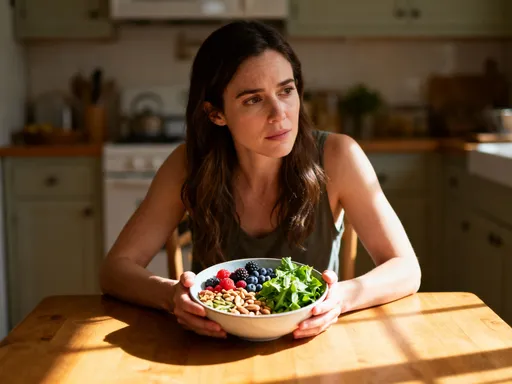
For years, I treated health as something that happened to other people—until it happened to me. It started with frequent colds that lingered longer than they should, followed by persistent fatigue that no amount of coffee could fix. I’d always considered myself reasonably healthy: I didn’t smoke, I ate vegetables sometimes, and I walked occasionally. But my energy was low, my focus scattered, and my doctor’s routine check-up revealed elevated markers of inflammation. That was the wake-up call. The truth was, I wasn’t sick—but I wasn’t truly healthy either. The absence of disease isn’t the same as the presence of vitality. This realization marked a shift in mindset: from waiting to get sick to actively preventing it.
My doctor didn’t prescribe medication but instead emphasized lifestyle. He explained that many chronic conditions—like type 2 diabetes, heart disease, and even certain cancers—develop silently over years, often rooted in daily habits. The good news? Most are preventable. This wasn’t about fear, but about empowerment. I began to see my daily routine not as a series of isolated actions, but as a cumulative investment in my long-term well-being. Small choices—what I ate, how I moved, how I rested—were shaping my biological future. I decided to take ownership, not because I was broken, but because I wanted to thrive.
Transitioning from a reactive to a proactive approach meant redefining what health meant to me. It wasn’t just about avoiding the doctor’s office; it was about feeling strong, clear-minded, and resilient in everyday life. I started asking different questions: How could I support my body every day? What habits would make me less vulnerable to illness? This mindset shift was the foundation. Without it, even the best strategies would have felt like chores. But with it, each change became an act of self-care, a quiet commitment to living well for years to come.
Sleep: The Silent Immune Booster You’re Ignoring
One of the first changes I made—and one of the most impactful—was prioritizing sleep. I used to stay up late scrolling through my phone, thinking an extra hour of entertainment was worth the trade-off. But research shows that sleep is not just rest; it’s a biological necessity for immune function, cellular repair, and cognitive clarity. During deep sleep, the body produces cytokines, proteins that help fight infection and inflammation. Without enough sleep, the immune system becomes less effective, making you more susceptible to viruses and slower to recover. Studies consistently link chronic sleep deprivation to higher risks of obesity, heart disease, and weakened immunity.
Understanding the science helped me take sleep seriously. I committed to 7–8 hours of quality sleep each night, not as a luxury, but as a non-negotiable part of my health routine. I started by setting a consistent bedtime, even on weekends, to regulate my circadian rhythm. I also created a wind-down ritual: turning off screens an hour before bed, lowering the lights, and reading a physical book. I invested in blackout curtains and kept my bedroom cool and quiet, optimizing the environment for deep rest. These changes weren’t dramatic, but they made a difference almost immediately.
Within a few weeks, I noticed fewer colds, improved concentration, and a more stable mood. I no longer relied on midday naps or caffeine crashes. My body felt more resilient, as if it had the resources to handle daily stressors without breaking down. Sleep became my anchor—a daily reset that supported every other healthy habit. It’s easy to overlook sleep when life feels busy, but it’s not something you can safely sacrifice long-term. Think of it as your body’s nightly maintenance cycle: without it, systems start to malfunction. By making sleep a priority, I gave my immune system the foundation it needed to stay strong.
Movement That Fits: Why Daily Activity Beats Intense Workouts
I used to believe that exercise had to be intense to count. I’d sign up for fitness challenges, push through hour-long workouts, and then burn out within weeks. But research shows that consistency matters more than intensity when it comes to long-term health. In fact, chronic inactivity is a bigger risk factor for disease than genetics. The World Health Organization emphasizes that regular physical activity reduces the risk of heart disease, stroke, type 2 diabetes, and certain cancers. The key isn’t marathon training—it’s moving your body every day in ways that feel sustainable.
I shifted my focus from performance to habit. Instead of aiming for the gym five times a week, I built movement into my daily routine. I started with 10-minute walks after meals, which helped with digestion and blood sugar control. I added gentle stretching at my desk, especially after long periods of sitting. On weekends, I spent time outdoors—walking in the park, gardening, or biking with family. These activities weren’t punishing; they were enjoyable and accessible. Over time, they added up to meaningful health benefits without feeling like a burden.
The results were noticeable. My circulation improved, joint stiffness decreased, and I had more sustained energy throughout the day. I no longer experienced the afternoon crashes that used to derail my productivity. Movement became less about burning calories and more about feeling alive in my body. It also supported my immune system by promoting the circulation of immune cells and reducing chronic inflammation. The lesson? You don’t need to be an athlete to be active. Small, regular movements—like taking the stairs, standing while talking on the phone, or playing with your kids—are powerful tools for disease prevention. The goal isn’t to push harder, but to move more, every single day.
Gut Health: Your Body’s First Line of Defense
One of the most surprising discoveries in my health journey was the importance of gut health. I used to think of digestion as a separate system, but science now shows that the gut is central to overall immunity. About 70% of the body’s immune tissue is located in the gut-associated lymphoid tissue (GALT), making it a primary defense against pathogens. A balanced gut microbiome—made up of trillions of beneficial bacteria—helps regulate immune responses, protect against infections, and even influence mood and energy levels. When the gut is out of balance, the immune system can become overactive or underactive, increasing vulnerability to illness.
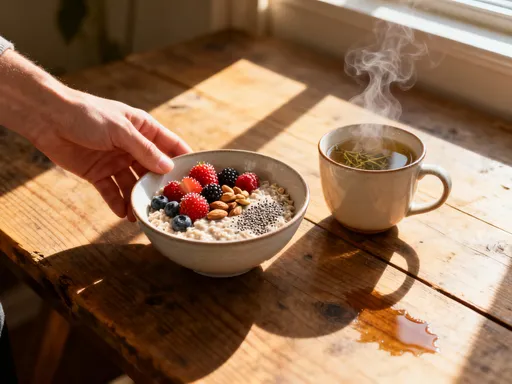
I began paying attention to what I ate, not just for calories, but for how it affected my gut. I increased my intake of fiber-rich foods like vegetables, legumes, and whole grains, which feed beneficial bacteria. I also added fermented foods like plain yogurt, sauerkraut, and kefir, which introduce live probiotics into the gut. I reduced processed foods, added sugars, and artificial ingredients, which can disrupt microbial balance. These changes weren’t about restriction, but about nourishment—giving my body the tools it needed to thrive.
Within a few weeks, I noticed fewer digestive issues like bloating and constipation. I also seemed to catch fewer colds, and when I did, they were milder and shorter. My energy levels stabilized, and I felt more comfortable in my body. The gut-brain connection also became apparent: I felt calmer and more emotionally balanced. This wasn’t a quick fix, but a gradual shift toward internal harmony. By supporting my gut microbiome, I strengthened my body’s first line of defense. It’s a reminder that health begins on our plates—and that every meal is an opportunity to build resilience from the inside out.
Stress Reset: Taming the Hidden Disease Accelerator
Stress used to be my normal. I wore busyness like a badge of honor, believing that constant activity meant productivity. But chronic stress is a silent driver of disease. When the body is in a prolonged state of fight-or-flight, it releases stress hormones like cortisol and adrenaline, which, over time, suppress immune function, increase inflammation, and contribute to conditions like high blood pressure, anxiety, and digestive disorders. The problem isn’t stress itself—it’s the lack of recovery. Without regular pauses, the body never gets the chance to reset.
I began to experiment with simple stress-management techniques. I started with 5-minute breathing exercises each morning and before bed, using slow, deep breaths to activate the parasympathetic nervous system—the body’s natural relaxation response. I also created digital detox windows, turning off notifications and stepping away from screens during meals and in the evening. I began journaling, writing down three things I was grateful for each night. These practices weren’t about eliminating stress, but about building resilience to it.
The changes were subtle but profound. I slept better, had fewer tension headaches, and felt more emotionally steady. I noticed that I reacted less impulsively to stressful situations and could problem-solve more clearly. My immune system seemed stronger, too—perhaps because chronic inflammation was no longer being fueled by constant stress. Stress management isn’t a luxury; it’s a core component of disease prevention. By making space for calm, I gave my body the chance to heal, repair, and protect itself. These small pauses became essential acts of self-preservation in a fast-paced world.
Hydration & Toxins: Small Choices, Big Long-Term Effects
Hydration and toxin reduction were two more areas where small changes led to big results. I used to drink soda and sugary teas, thinking they were harmless indulgences. But research shows that dehydration impairs cognitive function, reduces energy, and hampers the liver’s ability to detoxify the body. Meanwhile, processed foods, alcohol, and environmental toxins place a constant burden on the body’s elimination systems. Over time, this can contribute to inflammation, hormonal imbalances, and weakened immunity.
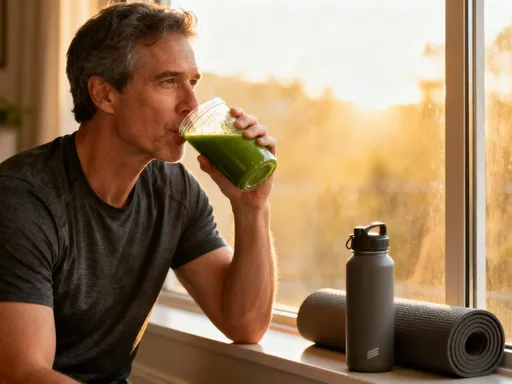
I started by drinking a glass of water first thing in the morning, which helped kickstart my metabolism and rehydrate after sleep. I carried a reusable water bottle throughout the day, aiming for at least eight glasses. I swapped soda for herbal teas and infused water with lemon or cucumber. I also reduced alcohol intake, limiting it to special occasions. In my diet, I focused on whole, minimally processed foods—fresh produce, lean proteins, and whole grains—while minimizing packaged snacks and fast food. These changes weren’t about perfection, but about making better choices more often.
The benefits were both immediate and long-term. My skin became clearer, my energy more stable, and I no longer experienced the mid-afternoon crashes that used to leave me drained. I felt lighter, both physically and mentally. By reducing the toxic load on my body, I gave my organs—especially the liver and kidneys—the space to function optimally. Hydration and clean eating aren’t about extreme detoxes or juice cleanses; they’re about daily stewardship of your body. Every glass of water, every whole food choice, is a small act of care that compounds over time.
Consistency Over Perfection: Building Habits That Last
One of the most important lessons I learned was that lasting change comes from consistency, not intensity. I used to fall into the all-or-nothing trap: I’d start strong, then miss a day, feel guilty, and give up. But health isn’t about flawless execution; it’s about showing up, even imperfectly. Research shows that habits are built through repetition, not perfection. It’s better to walk for 10 minutes five days a week than to do an hour-long workout once and never return.
I started small, focusing on one habit at a time. I began with sleep, then added movement, then improved my diet. I tracked my progress gently, using a simple journal to note how I felt each week. I practiced self-compassion, reminding myself that setbacks are part of the process. If I skipped a walk or ate something processed, I didn’t berate myself—I just returned to my routine the next day. This mindset shift was crucial. Health optimization isn’t a punishment; it’s an act of love for your future self.
Today, my routine is a sustainable blend of all six pillars: quality sleep, daily movement, gut-supportive nutrition, stress management, hydration, and toxin reduction. I don’t do everything perfectly, but I do enough, consistently. These habits have become second nature, woven into the fabric of my daily life. They’ve given me more energy, fewer illnesses, and a deeper sense of control over my well-being. The goal isn’t to be perfect—it’s to be persistent. And persistence, over time, creates resilience.
Conclusion: Health Isn’t Achieved—It’s Maintained
Looking back, I realize that my health journey wasn’t about fixing one problem, but about building a lifestyle that prevents problems before they start. The changes I made weren’t dramatic, but they were powerful because they were sustainable. Each small choice—more sleep, a short walk, a glass of water, a moment of calm—added up to a stronger, more resilient body. Disease prevention isn’t about fear or deprivation; it’s about empowerment and daily commitment.
These habits are not a substitute for medical care, but they complement it. I still see my doctor regularly and follow professional advice. But I now understand that my daily choices are the foundation of long-term health. I am not passive in this process; I am an active participant in my own well-being. And that makes all the difference.
If you’re feeling stuck, overwhelmed, or unsure where to start, remember this: you don’t have to change everything at once. Pick one small habit—just one—and build from there. Be kind to yourself. Progress is rarely linear, but it is possible. Health isn’t something you achieve and then forget; it’s something you maintain, day after day, choice after choice. And in that maintenance lies the true reward: not just a longer life, but a fuller, more vibrant one. You don’t have to be perfect. You just have to keep going.