From Misunderstood to Connected: How Team Tools Transformed Our Daily Rhythm
Have you ever felt like you're talking, but no one’s really hearing you? I used to dread group chats—endless threads, missed messages, and constant misunderstandings. It wasn’t just about work getting messy; it was the stress, the guilt, the feeling of being out of sync with everyone. Then we changed how we communicated. Not with more messages—but with better ones. This is how simple tools quietly reshaped our days, our moods, and even our relationships.
The Noise Before the Calm: When Communication Feels Like Chaos
Remember that Sunday evening when you were trying to pack lunches, help with homework, and answer a message about tomorrow’s meeting—all while your phone buzzed with updates from three different apps? That was my life not long ago. I wasn’t just busy—I was emotionally stretched, constantly switching gears, and never fully present in any one moment. I’d read a message, feel a little knot in my stomach, and think, Did I miss something important? Who was supposed to do what? It wasn’t anger or laziness. It was confusion. And confusion, over time, wears you down.
Our team—just five of us running a small community education program—used to rely on whatever was easiest: text messages, email, quick calls, and the occasional sticky note on someone’s laptop. Sounds familiar, right? But what felt convenient in the moment created chaos over time. One person would send a reminder in a WhatsApp group, another would reply in email, and a third would assume it was handled. Tasks slipped. Feelings got hurt. And every week, we’d start Monday with a sense of dread, not momentum.
The truth is, we weren’t failing because we didn’t care. We were failing because our communication tools didn’t match how our brains work. We’re not built to track information across seven different places. We need clarity. We need context. We need to feel like we’re on the same page—literally. What we thought was a productivity problem was actually an emotional one. The constant pings, the fear of missing out, the guilt of not responding fast enough—it wasn’t just draining our time. It was stealing our peace.
Discovering a Different Way: The First Step Toward Clarity
The change didn’t come from a tech expert or a corporate mandate. It came from exhaustion. One evening, after missing a deadline because the message was buried under 47 unread texts, I finally said, “There has to be a better way.” I wasn’t looking for something flashy—just something that would let us all breathe.
A friend suggested trying a team communication tool, not because she was obsessed with tech, but because her family had started using it to plan meals and chores. “It’s like having a shared brain,” she said. That stuck with me. So we gave it a try—just one tool, one place for all our messages, tasks, and files. No pressure. No complicated setup. Just a simple promise: for the next two weeks, we’d use this instead of texting or emailing.
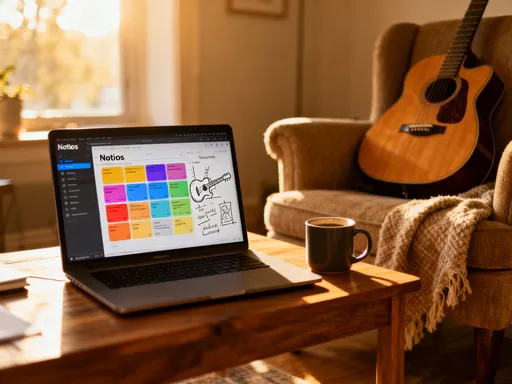
The first week was awkward. We forgot to check the new platform. We sent messages in the old places. But then, something shifted. One morning, I opened the app and saw a clean thread titled “Volunteer Training Schedule,” with clear updates from two teammates, a shared calendar link, and a checklist of who was doing what. No confusion. No guessing. Just clarity. I remember sitting there, coffee in hand, thinking, Wait—did we all finally get this at the same time? That small moment felt like a win. Not because we’d done more work, but because we finally felt connected.
It wasn’t magic. It was design. The tool wasn’t smarter than us. It was built to respect how people actually communicate—by keeping things visible, organized, and easy to follow. And for the first time in months, I didn’t feel like I was failing just by trying to stay in the loop.
Less Talking, More Understanding: How Structure Brings Connection
You might think that better communication means more talking. But what we learned is the opposite: better structure means fewer words—and deeper understanding. When everything is scattered, you have to repeat yourself. You over-explain. You send follow-ups just to make sure someone saw it. But when you have a shared space where updates live, decisions are recorded, and tasks are assigned, you don’t need to shout to be heard.
Take our volunteer coordinator, Maria. Before, she’d send three messages a day just to confirm who was bringing supplies. Now, she posts once in the “Volunteer Hub” channel, attaches a simple checklist, and tags the people involved. Everyone sees it. Everyone responds in the same place. No more double-checking. No more anxiety. “I used to feel like I was nagging,” she told me. “Now I feel like I’m leading.” That shift—from nagging to leading—is what happens when tools support respect, not just efficiency.
And it’s not just about work. I started using a similar setup with my sister to plan our family reunion. We created a shared space with sections for travel, meals, and activities. Instead of 20 back-and-forth texts about who was bringing the dessert, we had one clear list. When my mom added a note about her dietary needs, it stayed visible—no one missed it. The structure didn’t make the conversation colder. It made it kinder. Because we weren’t guessing. We weren’t assuming. We were all looking at the same page.
That’s the quiet power of these tools: they create emotional safety. You don’t have to worry your message got lost. You don’t have to repeat yourself. You don’t have to wonder if someone is upset with you because they didn’t reply. When communication is organized, it becomes trustworthy. And when it’s trustworthy, it becomes connecting.
From Work Mode to Life Flow: When Boundaries Become Possible
One of the most unexpected gifts of using a better communication tool was the return of my evenings. I used to check my phone constantly—after dinner, during my daughter’s piano recital, even while reading bedtime stories. Not because I was obsessed with work, but because I was afraid of missing something important. That constant vigilance wasn’t dedication. It was anxiety.
When we moved our communication to a single platform, something shifted. Because I knew nothing would get lost, I could finally stop checking. I started using the “do not disturb” feature after 7 PM. At first, I felt guilty. What if someone needed me? But then I realized: if it was urgent, they could call. Everything else could wait. And guess what? The world didn’t fall apart. In fact, it got better.
My family noticed. “Mom, you’re actually here now,” my son said one night as we played a board game. That hit me. I hadn’t realized how much of me had been somewhere else—even when I was physically present. The tool didn’t just organize our messages. It helped me reclaim my attention. And when you’re not constantly distracted by the next ping, you start to notice the little things: your partner’s smile, your child’s joke, the way the light falls in the kitchen in the late afternoon.
Boundaries aren’t about shutting people out. They’re about making space for what matters. And when your communication system is reliable, you don’t have to be “on” all the time. You can trust that the message will be there tomorrow. And in that trust, you find freedom.
The Ripple Effect: Better Words, Stronger Bonds
Here’s what surprised me most: the way clearer communication at work started to change how we related to each other—personally. We began writing with more care. Instead of firing off a quick “Can you do this?” we started adding context: “I know you’ve been busy—would you have time to look at this by Wednesday?” Small shifts, but they made a big difference.
Our team meetings became shorter and more focused. We spent less time rehashing old issues and more time solving new ones. But beyond productivity, we started to trust each other more. When someone said, “I can’t take this on right now,” we believed them. When someone shared an idea, we listened. The tool didn’t fix our personalities—but it gave us a safer container to show up as ourselves.
And it didn’t stop at work. I introduced the idea to my book club, and now we use a shared space to vote on books, share quotes, and plan our monthly meetups. No more forgotten messages. No more confusion about who’s hosting. One of the women said, “I feel like we’re actually a club now, not just a group that sometimes reads the same book.” That’s the thing—when communication works, connection follows.
Even my kids noticed. My daughter asked if we could use a similar system for her school group project. “So we don’t have to text 100 times,” she said. I helped her set up a simple shared space with tasks and deadlines. A few days later, she told me, “Everyone actually did their part. It was kind of amazing.” When kids learn that clear communication leads to better results, they’re learning life skills—not just project skills.
Making It Yours: Simple Shifts That Stick
If you’re thinking, “This sounds great, but I don’t have time to learn a new system,” I get it. That was me too. The key isn’t perfection. It’s starting small. You don’t need to overhaul everything at once. Just pick one area of your life that feels messy—planning family dinners, coordinating with a friend for a trip, managing a small project at work—and try using one tool to bring it together.
Choose a platform that feels intuitive, not overwhelming. Look for one that lets you create clear spaces for different topics—like “Family Meals,” “Home Projects,” or “Work Tasks.” Give your channels warm, human names. Instead of “Q3 Budget,” call it “Garden Fund” if you’re saving for backyard upgrades. Language shapes how we feel about things. A name like “Mom’s Travel Plan” feels more inviting than “Trip 2024.”
Set one simple rule to protect your peace. Ours was “no work messages after 8 PM.” It wasn’t about being strict—it was about being kind to ourselves. And when someone accidentally sent a message late, we didn’t scold them. We just said, “Got it—will look tomorrow.” That small act of grace made a big difference.
And celebrate the wins. When your family actually remembers who’s picking up the kids because it’s posted in the shared space, say it out loud: “This is working!” Those moments build confidence. They remind you that change is possible—and worth it.
Living Lighter: What We Gained Beyond Efficiency
Looking back, I realize we didn’t just improve our workflow. We improved our well-being. The constant low-grade stress of miscommunication has faded. We laugh more in our meetings. We trust each other more. We feel lighter.
These tools didn’t make us work harder. They helped us work smarter—and live better. We reclaimed time. We reclaimed attention. We reclaimed the joy of being understood. In a world that never stops talking, we finally learned how to listen—and be heard.
And that’s the real gift: not just getting things done, but feeling at peace while doing them. Because when communication works, everything else gets a little easier. The dishes still need to be done. The emails still come. But now, we face them with less anxiety and more connection. And honestly? That’s the kind of tech upgrade I can get behind—one that doesn’t just change what we do, but how we feel while doing it.