I used to forget her nighttime routine: How a simple app brought peace to our family care
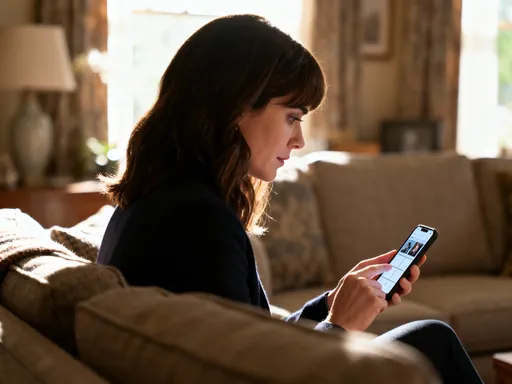
I used to forget her nighttime routine. Not because I didn’t care—because I cared too much. Every night, after tucking in my kids and cleaning up the kitchen, my mind would drift to Mom. Was she safe? Did she take her evening pill? Was the stove off? I’d lie awake, replaying the day, wondering if I’d missed something important. I wasn’t alone—so many of us carry this quiet weight when caring for an aging parent. The love is endless, but so is the worry. Then one evening, I remembered a simple app I’d used at work to track team tasks. I wondered—could it help at home? That small question changed everything. Now, our nights are calmer, clearer, and filled with more peace than I’ve felt in years.
The Nighttime Anxiety No One Talks About
There’s a kind of anxiety that doesn’t scream—it whispers. It starts quietly, just after dinner. You finish your own routine, maybe pour a cup of tea, and suddenly your thoughts shift. Is she warm enough? Did she eat something light for dinner? Did she remember to lock the door? For months, this became my nightly ritual—worry instead of rest. I wasn’t sleeping well. I’d wake up anxious, replaying the night before, afraid I’d forgotten to remind her about something important. And I wasn’t even living with her. That distance made it worse. I couldn’t just walk down the hall to check. I had to call, and calling too often made her feel like I didn’t trust her. But not calling? That felt like neglect.
I talked to a few friends who were also caring for aging parents, and they nodded like they’d been there. One said, “I used to lie awake wondering if Dad turned off the iron.” Another said she’d drive past her mom’s house just to see if the lights were out. We didn’t talk about this at family gatherings or in group chats. It felt too personal, too heavy. But it was real. This wasn’t just about tasks—it was about love, responsibility, and the fear of failing someone who once took care of us. I realized I needed a better way. Sticky notes on the fridge got lost. My memory wasn’t reliable. I needed something that could hold the weight of those little things—so I could let go and finally rest.
From Office Tool to Family Lifeline
It sounds strange, I know—using a work app to care for my mom. But hear me out. A few years ago, my team started using a simple task management app to keep track of projects. Nothing fancy. Just a list of things to do, who was doing them, and when they were done. It reduced so much confusion. One day, I was scrolling through it during lunch when it hit me: What if we used this for Mom’s routine? Not to manage her like an employee, but to support her—gently, lovingly. I wasn’t sure she’d go for it. She’s independent, proud, and not exactly tech-savvy. But I thought, if I frame it the right way, maybe she’d see it as help, not control.
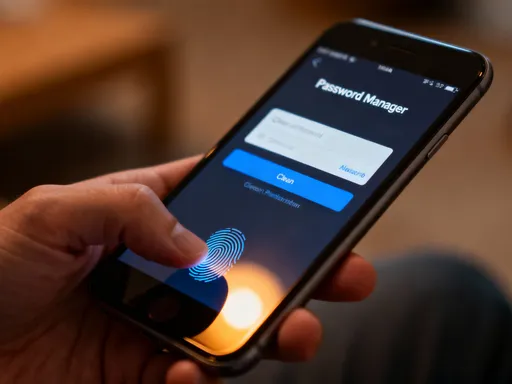
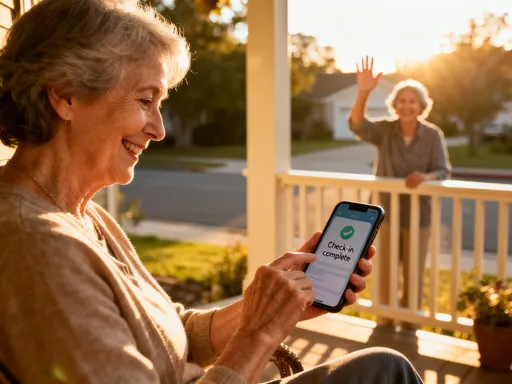
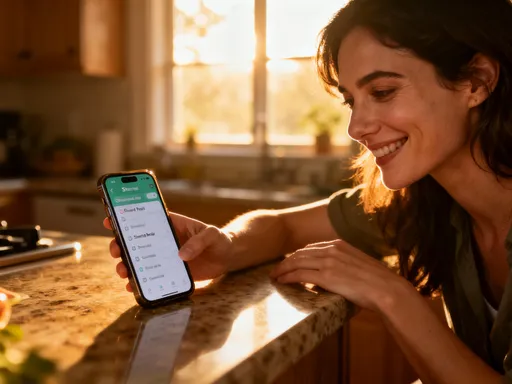
I downloaded a user-friendly app—one with big buttons, simple language, and the ability to send gentle reminders. I showed her how it worked during one of my visits. “Think of it like a to-do list,” I said. “But instead of work stuff, it’s for your evening routine. And when you finish something, you just tap it. I’ll see it, and I won’t have to call and bug you.” She laughed. “So you’re finally going to stop calling me every night?” I laughed too, but inside, I was nervous. Would she actually use it? The first few days were quiet. Then, one evening, my phone buzzed. A notification: “Medication – completed.” I stared at it. That little checkmark felt like a gift. For the first time in months, I went to bed without wondering. She had done it. I didn’t have to ask. The app didn’t replace my love—it protected it.
How It Works: A Gentle Shift in Daily Care
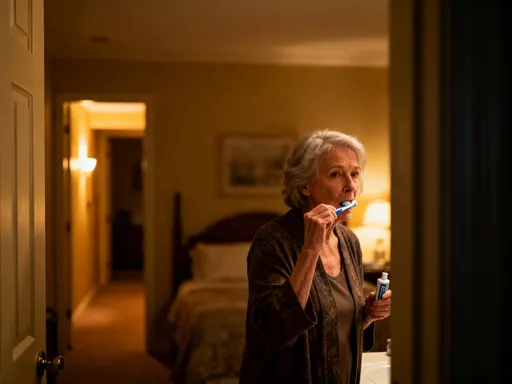
You don’t need to be a tech expert to make this work. In fact, the simpler the app, the better. I chose one that lets us create shared lists with clear, easy-to-read tasks. Every evening, Mom sees a short list: “Take evening medication,” “Drink a glass of water,” “Brush teeth,” “Lock front door,” “Turn off living room lights.” Each task has a friendly reminder set for 8:00 PM—just early enough so she’s not rushing, but not so late that she forgets. When she finishes something, she taps the box. A soft chime plays, and I get a quiet notification. That’s it. No pressure, no nagging, no phone calls.
Setting it up took less than an hour. I did it with her during a visit, making sure she felt in control. “You can change the list anytime,” I told her. “If something doesn’t feel right, we’ll fix it.” We started with just three tasks. Once she got comfortable, we added more. The key was making it feel like her list, not mine. I also showed her how to mark something as “done later” if she forgot—no guilt, no stress. And if she doesn’t complete a task, the app doesn’t scold her. It just stays there, gently waiting. Sometimes, I’ll send a quick message: “Saw you took your pill—great job!” It’s not about perfection. It’s about peace. Now, instead of anxiety, I get a quiet sense of connection. Every checkmark is a small “I’m okay” from her, and a little “I’m here” from me.
More Than Tasks: Rebuilding Connection
Here’s what I didn’t expect: this little app didn’t just reduce stress—it brought us closer. Before, my calls were often about checking up: “Did you take your pill?” “Did you eat?” “Is the house secure?” Now, when I call, I can start with something warm: “I saw you brushed your teeth—looking sharp tonight!” She laughs. “I even used mouthwash!” These small moments feel lighter, more joyful. The app took care of the logistics, so our conversations could be about life, not just lists.
One night, she “checked off” that she’d called her sister. I hadn’t even put that on the list. She added it herself. When I saw it, I called just to say, “You’re the best.” That moment meant more than any reminder ever could. It showed me she wasn’t just following a system—she was owning it. And for me, seeing that task completed didn’t just mean “sister called”—it meant “she’s connected, she’s engaged, she’s thriving.” The app became a bridge. It didn’t replace our bond—it strengthened it. Now, when I see a task completed late at night, I don’t worry. I smile. Because that little checkmark isn’t cold data. It’s a whisper of love, a quiet “I’m okay, sweetheart.” And that changes everything.
Calm Even When You’re Not There
I live 45 minutes away from Mom. Before the app, that distance felt like a wall. I couldn’t just pop over. I had to plan visits, and in between, I was left with silence—and imagination. And imagination, as every caregiver knows, is dangerous. It fills the quiet with worst-case scenarios. But now, the app gives me a gentle window into her evenings. I’m not watching her. I’m not spying. I’m simply seeing the things she chooses to share—tasks she completes, routines she follows. It’s not about control. It’s about care.
There was one night she didn’t mark her medication as done. The task stayed open. I didn’t panic. I sent a gentle text: “Everything okay tonight?” She replied, “Forgot, but just took it. Thanks for the nudge.” That’s the beauty of it—no guilt, no drama. Just a soft reminder built into the system. Over time, I started to notice patterns. She drinks more water on days she feels good. She locks the door earlier when it’s stormy. These small insights helped me understand her better—not as a patient, but as a person. And when something feels off, I can reach out with care, not fear. The app doesn’t replace my presence. But it makes my absence a little easier—for both of us.
Making It Work for Your Family
If you’re thinking about trying this, start small. Don’t dump a full list on your loved one the first day. Begin with one or two things—something simple, like “take evening pill” or “call family member.” Make sure they feel part of the process. Say something like, “I worry at night, and this could help me stop calling so much. Would you be open to trying it?” Let them choose the tasks, the timing, even the app if possible. The goal isn’t efficiency—it’s peace.
Some families use voice-enabled reminders or smart displays, especially if typing is hard. Others prefer a shared calendar with color-coded events. The tool doesn’t matter as much as the intention. What matters is that it feels warm, not clinical. You might say, “This way, I’ll know you’re safe, and you won’t have to hear me nagging.” Or, “It’s like leaving little love notes that you can check off.” Keep the tone light. Celebrate the small wins. When your dad marks “walked around the block,” reply with, “Look at you, Mr. Active!” These moments build trust. And if they forget to use it? Don’t scold. Just say, “No worries. We’ll try again tomorrow.” It’s not about perfection. It’s about connection.
A Lighter Way to Love
Looking back, I realize I wasn’t just managing tasks—I was managing my fear. The app didn’t just help Mom remember her routine. It helped me remember to breathe. It gave me space to be a daughter again, not just a caregiver. I stopped obsessing over details and started enjoying our time together. I listen more. I laugh more. I worry less.
Technology often gets a bad rap—like it’s cold, impersonal, or too complicated. But used the right way, it can be one of the most loving things we bring into our homes. This simple app didn’t replace my care. It made it better. It carried the small things so I could focus on the big ones—her smile, her stories, her presence. And that’s the gift. We don’t have to choose between love and logistics. With a little creativity, we can have both. So if you’re lying awake tonight, wondering if your loved one is safe, know this: you’re not alone. And there’s a gentler way. A small tool. A shared list. A checkmark that says, “I’m okay.” And in that tiny moment, peace begins.