More Than Just Assigning Tasks: Tools That Gave Me Back Peace of Mind Every Day
How many times have you forgotten a chore, double-booked a favor, or snapped at someone because something fell through? I’ve been there—overwhelmed, juggling work, home, and personal goals. Then I found simple task assignment tools that didn’t just organize my to-do list—they eased the mental load. They didn’t add pressure; they lifted it. Now, I sleep better, communicate clearer, and actually enjoy my day. This isn’t about perfection. It’s about peace.
The Hidden Stress of Daily Coordination
Let’s be honest—most of us don’t wake up thinking, "I can’t wait to manage my household today." We wake up already behind. The coffee’s brewing, the kids are asking for snacks, and somewhere in the back of your mind, a tiny alarm is going off: "Did I reply to that school volunteer email?" That’s the weight of unmanaged tasks. It’s not one big thing. It’s a thousand little things, all whispering at once, stealing your focus and quietly wearing you down.
I used to carry that noise like background music—constant, low-grade stress about who was supposed to do what. Was my partner picking up the dry cleaning? Did I confirm the vet appointment? Was it my turn to bring snacks for the team meeting? I’d try to keep it all in my head, like some kind of mental juggling act. But brains aren’t designed to be filing cabinets. Every time I forgot something small, it felt like a personal failure. And when things slipped through the cracks, someone got disappointed—usually me.
Then I realized: the problem wasn’t my memory. It was the system. Or rather, the lack of one. I was trying to run a family, a career, and a personal life on memory and good intentions. No wonder I felt exhausted. The real shift came when I stopped expecting myself to remember everything and started using tools that did the remembering for me. Not because I’m lazy—but because I deserve to feel calm.
When I began assigning tasks—really assigning them, not just thinking about them—I noticed something unexpected. It wasn’t just that things got done. It was that I stopped worrying about them. The mental space that opened up felt like a gift. I could finally focus on the moment instead of scanning the future for landmines. That’s when I understood: peace isn’t found in doing more. It’s found in thinking less.
Choosing the Right Tool for Real Life
Now, I know what you’re thinking. "Another app? Really?" I felt the same way. I’ve downloaded my fair share of productivity apps—ones that looked sleek but felt like homework. Ones that asked me to categorize tasks by priority level or tag them with colors I didn’t care about. They weren’t helping. They were adding steps. And if something feels like extra work, you won’t stick with it. Especially when you’re already stretched thin.
So I started looking for something different. Something that didn’t feel like a corporate project manager had designed it. I wanted a tool that felt natural, like leaving a note on the fridge—but smarter. Something my mom could use, my teenager wouldn’t roll their eyes at, and my sister could update while driving (safely, with voice commands!).
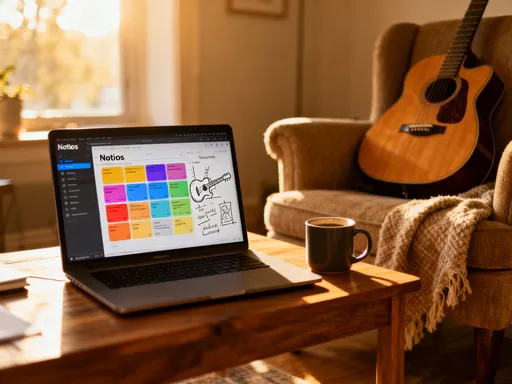
After trying a few, I landed on a simple shared task app that let me create lists, assign tasks with a tap, and set gentle reminders. No complicated dashboards. No mandatory daily check-ins. Just a clean, quiet space where I could say, "Hey, can you pick up milk?" and it would stay there until it was done. The magic wasn’t in the features—it was in how little effort it took. That’s the key: if it’s not easier than remembering, it’s not worth it.
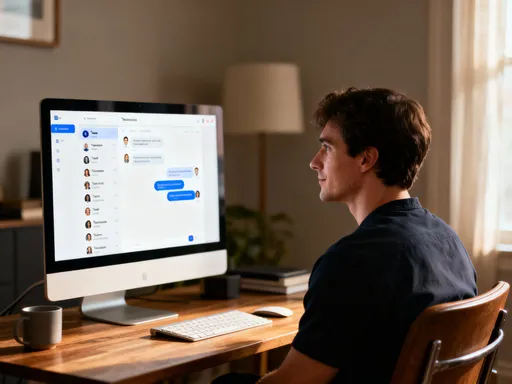
And here’s the thing—my family actually started using it. Not because I nagged them, but because it made their lives easier too. My daughter added her homework deadlines. My husband started marking when he’d taken out the trash. It became a shared rhythm, not a chore. The right tool doesn’t demand attention. It earns it by being helpful without being loud.
From Arguments to Alignment at Home
Let’s talk about the elephant in the room: how often do we fight about chores? Not because we’re angry at each other, but because we’re both tired and assume the other person forgot. "I thought you were taking the dog to the vet!" "I thought you were handling the school forms!" These aren’t fights about tasks. They’re fights about miscommunication. And they leave everyone feeling unappreciated.
In my house, these little explosions used to happen weekly. Maybe even daily. We weren’t bad partners or bad parents. We were just two people trying to manage too much with too little clarity. Then we started using our shared task list not just to assign work, but to build trust.
Instead of saying, "Did you take out the trash?"—which can sound like an accusation—I now just check the app. And so does my husband. If it’s done, great. If not, no drama. He sees the reminder too. There’s no "I thought you…" because the expectation is clear. It’s not about blame. It’s about visibility.
And honestly? It’s reduced the tension in our home more than any conversation ever did. We’re not policing each other. We’re supporting each other. We’ve even started adding fun things to the list—"Plan surprise breakfast for Mom," "Pick a movie night theme," "Leave a kind note on the mirror." These little moments of connection don’t happen by accident. They happen because we made space for them by getting the basics out of the way.
When tasks are clear, love flows easier. That sounds sentimental, but it’s true. When I’m not mentally tracking every undone chore, I have more patience. More presence. More room to enjoy the people I live with. And that’s worth more than a clean kitchen (though we get that too).
Smaller Teams, Smoother Collaboration
You don’t need to be running a Fortune 500 company to benefit from task clarity. Some of the most stressful projects happen in our personal lives—planning a family reunion, organizing a school fundraiser, coordinating a group gift. These aren’t huge, but they involve multiple people, loose timelines, and a lot of good intentions. Without a system, they fall apart quietly.
I learned this the hard way when I tried to plan my nephew’s surprise birthday party. I thought, "It’s just 15 people. How hard can it be?" By the third week, I was sending five texts a day, chasing down RSVPs, double-checking who was bringing what, and realizing too late that two people had booked the same venue. I was the "project manager" in name only—no tools, no support, just stress.
So the next time, I did it differently. I created a shared list for the family reunion. One person took invitations. Another tracked who was coming and any dietary needs. A cousin volunteered to book the park pavilion. Each task had a name and a soft deadline. No one was left guessing. No one felt overwhelmed. And when someone got busy, they could update the list so others knew where things stood.
The best part? I didn’t have to be the reminder machine. The app sent gentle nudges. People could mark things done from their phones. We even added a photo album link so everyone could share ideas. The reunion wasn’t perfect—but it was joyful, smooth, and nearly stress-free. Because we weren’t managing chaos. We were moving forward together.
That’s the power of small-team collaboration. It’s not about control. It’s about confidence. When everyone knows their role, the group feels stronger. And when the work is shared, the joy is too.
Personal Tasks That Actually Stick
Here’s something I didn’t expect: these tools didn’t just help me manage others. They helped me manage myself. I’ve always set goals—get fit, learn a language, read more—but they’d fade by February. Why? Because I’d write them down once and forget them. Or I’d feel so behind that I’d give up.
Then I started treating myself like a teammate. Instead of saying, "I should start exercising," I’d assign myself a task: "Research local yoga studios" with a deadline of Friday. Or "Buy new running shoes" by next week. Breaking big goals into small, actionable steps made them feel possible. And when I completed one, I checked it off—and that tiny win kept me going.
It sounds simple, but it changed everything. I wasn’t just dreaming. I was doing. I started a reading challenge by assigning myself "Buy one book this month" and "Read 10 pages tonight." I wanted to eat healthier, so I added "Find three easy weeknight recipes" and "Meal prep Sunday dinner." Each task was small, specific, and doable.
And here’s the secret: when I assign a task to myself, I’m more likely to do it. It’s like making a promise I can see. I’m not relying on motivation, which comes and goes. I’m relying on a system that holds me gently accountable. It’s not rigid. It’s kind. Like a friend saying, "Hey, remember that thing you wanted to do? You’ve got this."
Over time, these small actions added up. I didn’t just read one book. I read six. I didn’t just try yoga. I stuck with it for months. And I didn’t just feel productive. I felt proud. Because I had proof—right there in the app—that I was moving forward.
Reducing Mental Load, One Task at a Time
If I had to name the biggest benefit of using task tools, it wouldn’t be that I get more done. It’s that I carry less. The mental load—the invisible weight of planning, remembering, and worrying—has lightened dramatically. I used to walk around with a mental to-do list that never ended. Now, I walk around with more space.
That space has changed how I show up in my life. I’m more present with my kids because I’m not mentally drafting grocery lists. I’m calmer in conversations because I’m not distracted by what I might be forgetting. I sleep better because I don’t lie awake reviewing tomorrow’s obligations. My mind feels clearer, like a room that’s finally been decluttered.
And this isn’t just about convenience. It’s about well-being. Chronic low-level stress—like the kind that comes from constant mental juggling—wears on your body and mind. It affects your mood, your focus, your relationships. When you reduce that load, even a little, you feel it everywhere.
Technology often gets blamed for making us anxious, distracted, and overwhelmed. But used the right way, it can do the opposite. It can give back your attention. It can protect your peace. These tools don’t make me robotic or overly scheduled. They make me human—able to rest, connect, and live without constant background noise.
I’m not saying I never forget things. I do. But now, forgetting isn’t a crisis. It’s just a notification away from being fixed. And that small shift has made a big difference in how I feel every single day.
Making It Work for You—Without the Overwhelm
If you’re thinking about trying this, I’ll tell you what I wish someone had told me: start small. You don’t need to digitize your entire life overnight. That’s how good ideas become stress.
I began with just two shared tasks per week. One was "Take out trash on Tuesday." The other was "Buy more coffee." That’s it. No grand plan. No pressure. Just two things I knew mattered and were easy to assign. Once that felt natural, I added one more. Then another. Over time, it became part of our routine—like brushing our teeth or setting the table.
The goal isn’t to track every minute or control every outcome. It’s to free up mental space so you can focus on what truly matters—your family, your peace, your joy. These tools aren’t about perfection. They’re about care. Care for your time. Care for your relationships. Care for your well-being.
And if someone in your house resists? That’s okay. You don’t need everyone on board to benefit. Start with what you can control. Assign yourself one small task. See how it feels to complete it and check it off. Let the results speak for themselves.
Because in the end, this isn’t really about technology. It’s about reclaiming your energy. It’s about replacing anxiety with alignment. It’s about creating a home and a life that runs smoothly—not because you’re doing more, but because you’re thinking less.
So go ahead. Try one task. One shared list. One gentle reminder. You might be surprised at how much lighter you feel. Because peace isn’t found in a perfect schedule. It’s found in the quiet moments when you realize—nothing is slipping through the cracks. And you can finally breathe.