Tired of Missing Your Neighbor’s Health Check-Ins? This App Keeps Everyone Connected and Cared For
Life gets busy, and keeping track of loved ones—especially aging parents or close neighbors—can feel overwhelming. You want to help, but don’t want to intrude. What if a simple tap could let you know when someone needs support? I remember the sinking feeling when I found out Mrs. Thompson, my next-door neighbor for over a decade, had fallen in her bathroom and lay there for hours before the mailman noticed something was off. She wasn’t seriously hurt, but that moment changed everything for me. I kept thinking: What if I’d known earlier? What if there’d been a way for her to quietly signal she needed help—without having to call 911 or feel like a burden? That’s when I discovered neighborhood mutual aid apps, and honestly, they’ve reshaped how I think about care, connection, and community. These aren’t flashy tools or complicated systems. They’re simple, thoughtful platforms that turn everyday technology into a quiet lifeline—helping us look out for one another without overstepping, without drama, and without waiting for a crisis to act.
The Moment I Realized I Wasn’t There When Needed
It was a Tuesday morning, ordinary in every way—until it wasn’t. I was rushing to drop the kids at school when I saw the ambulance parked outside Mrs. Thompson’s house. My heart dropped. She’d fallen the night before, alone, and couldn’t reach her phone. The EMTs said she’d been on the floor for nearly five hours before someone noticed her porch light was still on at 3 a.m. She was okay, thank goodness, but that moment haunted me. We’d waved every morning. I’d brought her soup when she had a cold. But I hadn’t known she’d been feeling dizzy for days. She didn’t want to “bother anyone.” And that’s the thing—so many of us, especially older adults, hesitate to ask for help. They don’t want to be a burden. We don’t want to intrude. So we all stay silent, and the gaps grow wider. That week, I started researching ways to stay connected without being overbearing. That’s how I found mutual aid apps—tools designed not for emergencies only, but for everyday care. They don’t replace human connection; they support it. They give people a way to say, “I’m okay,” with just a tap, or to signal quietly when they’re not. And they let neighbors like me respond with care, not panic. It wasn’t about installing cameras or turning her home into a high-tech monitoring zone. It was about creating a simple, respectful way to say, “I’m here, and I’ve got you.”
What Are Neighborhood Mutual Aid Apps—And Why They’re More Than Just Chat Groups
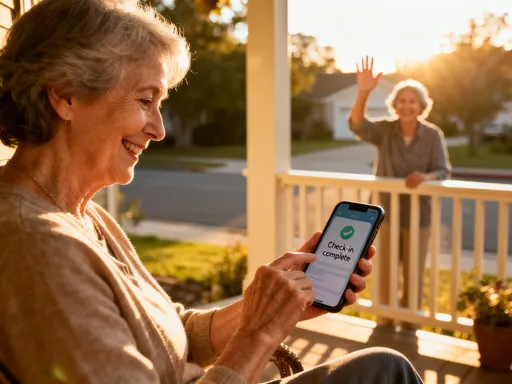
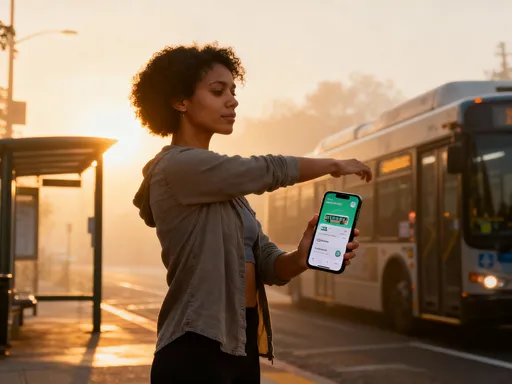
You’ve probably been in those neighborhood group chats—where someone posts about a lost dog, a power outage, or a suspicious van. They’re helpful, sure, but they’re not built for private, personal care. Mutual aid apps are different. Think of them as a private, trusted network for everyday support. They’re not public forums. You’re not broadcasting your mom’s blood pressure to the whole block. Instead, you create a small circle—people you know and trust—who can quietly check in on each other. These apps let you send a “I’m okay” tap each morning, log symptoms if you’re managing a health condition, or set up automatic alerts if someone doesn’t check in by a certain time. Some even let you schedule grocery drops, medication reminders, or rides to doctor appointments—all within the app. The beauty is in the simplicity. It’s not about sharing every detail of your life. It’s about sharing just enough to stay safe. And it’s not about constant texting or feeling like you have to respond immediately. It’s about creating a rhythm of care that fits into real life. I remember when my friend Linda set one up for her dad, who lives alone. He didn’t want a nurse or a daily call. But he was happy to tap “all good” every evening. If he missed it, the app would gently alert two neighbors to check in. It wasn’t invasive. It was just… thoughtful. That’s the difference. These apps turn good intentions into real action, without making anyone feel watched or overwhelmed.
Setting Up Your Profile: How to Share Just Enough for Safety
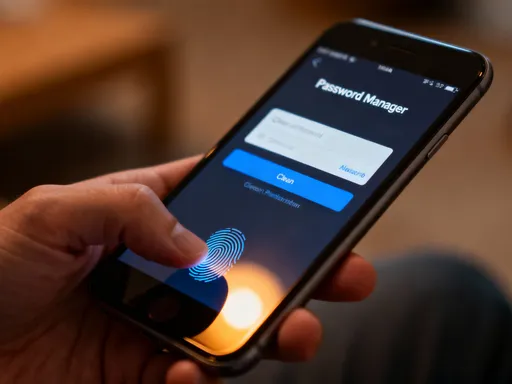
When I first opened the app, I’ll admit—I hesitated. How much should I share? Do I list every medication? My medical history? My fall risk? The answer, I learned, is: only what feels right to you. The app isn’t a medical record. It’s a care tool. So you decide what to include. For me, it was simple: my name, my address, two emergency contacts, and my preferred way to be checked on—text first, then a phone call, then a visit. I added that I take blood pressure medication daily and that I have a history of dizziness, so if I miss a check-in, someone might want to knock on my door gently. But I didn’t list every diagnosis. I didn’t share my doctor’s name. Privacy is built into these apps. You choose who sees what. You can have a public profile for the whole group—just your first name and a friendly photo—or a private one for your inner circle with more details. You can set your check-in preferences: daily, weekly, or only during bad weather. You can even schedule “wellness windows”—like, “I usually check in between 8 and 9 a.m., so if I don’t by 9:15, it’s okay to call.” The key is control. This isn’t about surveillance. It’s about safety on your terms. I showed my mom how to set hers up, and she loved that she could choose which neighbor saw her medication list. She picked just two—her goddaughter and me. She said it made her feel protected, not exposed. And that’s the goal: to give people peace of mind, not anxiety.
Creating a Health Check-In Circle with Neighbors You Trust
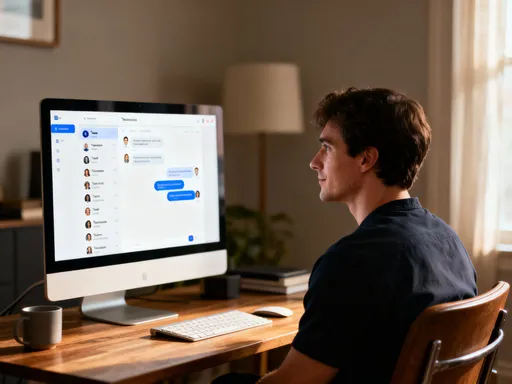
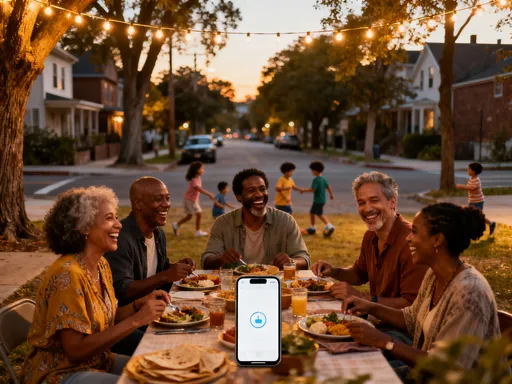
So how do you start one? It’s easier than you think. First, pick three to five people you genuinely trust—neighbors you’ve borrowed sugar from, waved to at the mailbox, or shared a garden tip with. These don’t have to be best friends. They just need to be kind, reliable, and willing to help. Then, invite them to join your circle through the app. Most apps let you send a link or scan a QR code. When they accept, you can set up shared routines. For example, we have a “Morning Check” in our circle—everyone taps “I’m okay” by 9 a.m. If someone doesn’t, the app sends a soft alert to two others to check in. We also have a “Weather Watch” mode for snowstorms or heatwaves, when we all check in twice a day. One neighbor, Mr. Patel, uses it to remind us when he’s expecting a delivery—he taps “waiting for package” so we know to keep an eye out. Another, Sarah, uses it to say, “Feeling under the weather, no visitors please.” It’s not about constant contact. It’s about meaningful connection. And the best part? It builds trust over time. When you know someone noticed you didn’t check in—and cared enough to text—you feel seen. When you’re the one checking on someone and they smile at your knock, you feel useful. It’s small, but it matters. One winter, Mrs. Thompson forgot to tap in during a snowstorm. I got the alert, texted her—no reply—so I bundled up and knocked. She’d slipped on ice getting her mail and couldn’t get up. We called her doctor, got her inside, and stayed until her son arrived. That one tap—or lack of it—changed everything. It wasn’t magic. It was just care, organized.
Using Automated Reminders for Medication and Appointments—Without Being Annoying
Let’s be honest—keeping up with medications or doctor visits is hard, especially as we age. My aunt used to forget her heart pills if she was distracted. She’d say, “I’ll take it later,” and then forget. Her doctor suggested a pill organizer, but she still missed doses. Then we set up reminders through the app. Now, every morning at 8:15, her phone pings: “Time for your meds.” She taps “Done,” and it logs it. If she doesn’t tap it within 30 minutes, the app alerts me and her neighbor, Jane. We don’t call right away—we might just send a gentle text: “Hey, did you take your pills this morning?” No pressure. No guilt. Just a nudge. The same works for appointments. You can add a doctor’s visit to the app, and it sends a reminder the day before and the morning of. Some people even link it to a family member so they can confirm the person left for the appointment. The key is customization. You choose the tone—friendly, formal, funny. You pick the timing. You decide who gets alerted. And you can pause it anytime—like when you’re on vacation or feeling perfectly fine. It’s not about micromanaging. It’s about support that fits your rhythm. I love that the reminders feel like a helpful friend, not a robot. One neighbor, Tom, programmed his to say, “Hey Tom, heart pills time! You’ve got this!” He said it made him smile every morning. That’s the power of these tools—they don’t just remind you. They encourage you.
Responding with Care: What to Do When Someone Needs Help
So what happens when an alert comes in? That was my biggest worry at first. What if I overreact? What if I underreact? The app doesn’t tell you what to do—it gives you information so you can decide. If someone misses a check-in, the first step is usually a gentle text or call: “Hey, just checking in—everything okay?” Most of the time, they’ll reply, “Yes, just busy!” or “Forgot to tap, all good.” But sometimes, they don’t. Then, the app suggests next steps—like sending someone over to knock on the door. The goal is to respond with care, not fear. We talked about this in our circle and agreed: always start quietly. No showing up with sirens or calling the whole neighborhood. Just a kind knock, a friendly voice. If there’s no answer and you’re worried, then you might call a family member or, if needed, emergency services. But most of the time, it’s simple—someone forgot, or their phone died, or they were napping. The app also lets people send direct requests. Like, “Could someone pick up my prescription?” or “I’m feeling shaky—can someone call my doctor with me?” Those go only to the people they choose. It’s not begging for help. It’s asking for it, clearly and calmly. I remember when Mrs. Thompson used it to say, “Not feeling well—could someone call my daughter?” I did, and her daughter came right over. No drama. No delay. Just care, delivered.
How This Small Habit Builds Stronger, Safer Communities
Here’s what I’ve learned: care doesn’t have to be grand to be meaningful. It doesn’t take a hero to make a difference. It takes a tap. A text. A knock on the door. These apps don’t replace love or family or friendship. They strengthen them. They give us a way to show up, even when life is busy. They turn “I hope you’re okay” into “I know you’re okay”—or, if you’re not, “I’m here.” Over time, something shifts. You start to feel more connected. You notice your neighbors more. You smile more. You care more. And they care about you too. It’s not about technology replacing human touch. It’s about technology making human touch easier, more consistent, more possible. We’re not building a surveillance system. We’re building a support system. And the best part? It’s not just for older adults. I use it for myself. When I’m overwhelmed with work or the kids are sick, I tap “Need a little space” so my neighbors don’t worry if I don’t check in. Or I ask for help—“Can someone grab milk on their grocery run?” And someone always does. That’s the quiet magic of these apps: they turn everyday moments into acts of kindness. They remind us that we’re not alone. That someone is watching. That someone cares. And in a world that often feels fast and disconnected, that’s everything. So if you’ve ever worried about a neighbor, a parent, or even yourself—know this: there’s a better way. A simple, kind, human way. And it starts with just one tap.